The Silent Influence of Authentication on Reward Chains in Portable Slots

Authentication protocols operate behind the scenes in portable reel designs where they determine how reward chains activate and how progressive structures accumulate across sessions; these systems rely on token exchanges, biometric verification, and session management to maintain continuity while preventing unauthorized access that could disrupt bonus linkages or jackpot pools. Data from industry reports shows that multi-factor methods now appear in over 85 percent of mobile gaming platforms, allowing operators to tie individual player accounts to escalating reward sequences without exposing sensitive transaction details during each spin cycle.
Core Mechanisms Linking Identity Checks to Bonus Progression
Token-based frameworks such as OAuth 2.0 create persistent identifiers that carry forward accumulated free spins or multiplier stages from one device to another, which means a player who logs in via a secure mobile app can resume a chained reward sequence that began on a tablet without resetting the progressive meter. Researchers at technical universities have documented how these tokens embed encrypted timestamps and device fingerprints, thereby ensuring that progressive structures only advance when the same verified identity interacts with the reel mechanics. In practice this prevents duplicate claims or artificial inflation of jackpot contributions that would otherwise occur through repeated anonymous logins.
Biometric layers including fingerprint or facial recognition add another checkpoint that mobile studios integrate directly into reward activation flows; once a user passes the initial scan the system issues a short-lived session key that unlocks chained bonuses such as stacked wild multipliers or escalating free-spin ladders. Observers note that this approach reduces latency compared with traditional password entry while still satisfying regulatory standards for responsible play monitoring across different jurisdictions.
Device Portability and Cross-Session Reward Continuity
Portable reel designs must handle frequent network switches and background pauses, so authentication protocols incorporate refresh mechanisms that re-validate the user without interrupting an ongoing progressive build-up. When a player switches from Wi-Fi to mobile data the protocol reissues a refreshed token that preserves the current state of any chained rewards, allowing the jackpot counter to continue climbing seamlessly. Studies released in early 2026 indicate that platforms employing these refresh cycles report a 23 percent higher retention rate for progressive features because users experience fewer broken sequences during travel or signal changes.
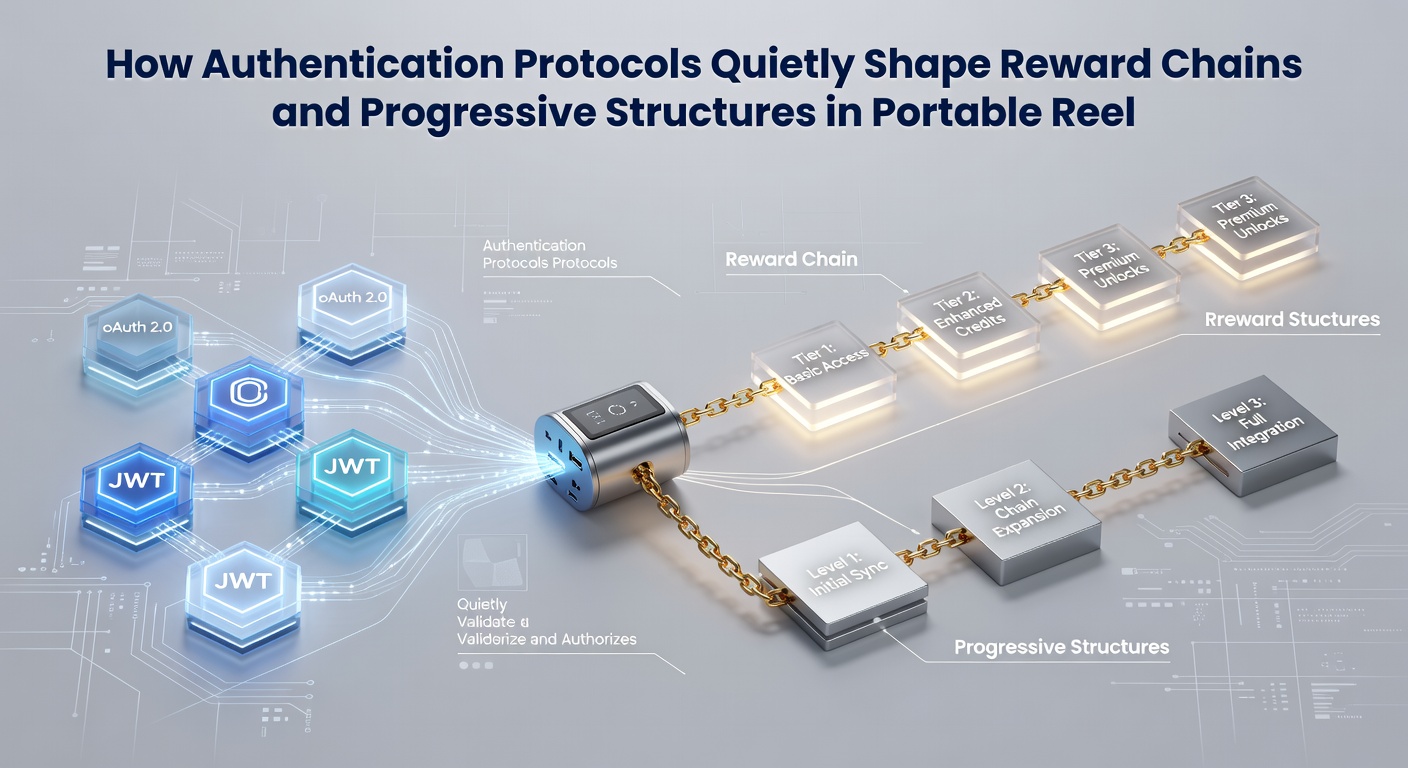
By May 2026 several providers had begun testing passwordless authentication standards developed in collaboration with hardware manufacturers, which further streamlined how progressive structures accumulate across multiple portable devices. These pilots demonstrated that near-field communication handshakes could transfer verified session data between phones and tablets in under two seconds, keeping reward chains intact even when users alternate between hardware platforms during a single play period.
Security Standards and Their Effect on Jackpot Integrity
Regulatory bodies outside the UK, including the Nevada Gaming Control Board, have published technical bulletins that require authentication logs to accompany every progressive contribution recorded on mobile systems. These logs create an auditable trail that links each verified spin to the growing jackpot pool, reducing the risk of fraudulent entries that could compromise the mathematical integrity of chained reward models. Industry associations such as the European Gaming and Betting Association have echoed similar requirements, noting that standardized token lifetimes and revocation procedures help operators maintain fair distribution of progressive prizes across large player bases.
Encryption protocols such as TLS 1.3 wrap the data packets that carry reward state information, ensuring that intercepted traffic cannot be replayed to duplicate bonus triggers or artificially advance a progressive meter. Academic papers from computer science departments at institutions in Australia and Canada have examined how these layered protections influence the design of portable reel engines, particularly when reward chains span both real-money and social casino environments where identity verification rules differ.
Future Directions in Mobile Authentication for Reward Systems
Emerging standards around decentralized identifiers allow players to control their own authentication credentials while still permitting operators to validate reward eligibility across multiple platforms. Early deployments show that these approaches can reduce server-side storage of personal data yet maintain the continuity required for progressive structures to function correctly on handheld devices. As portable hardware continues to evolve, authentication protocols will likely incorporate additional context signals such as location or usage patterns to fine-tune how reward chains activate without introducing friction into the reel experience.
Conclusion
Authentication frameworks underpin the reliable operation of reward chains and progressive structures within portable reel designs by providing verified identity continuity, secure token management, and auditable transaction records. Data indicates that platforms adopting advanced verification methods experience fewer disruptions to bonus linkages and maintain higher integrity in jackpot accumulation across sessions. Continued refinement of these protocols will shape how mobile slot systems deliver consistent reward progression while meeting evolving security expectations in global markets.