Technical Integrations Between RNG Calibration Protocols and Cross-Platform Bonus Chain Architectures in Digital Reel Systems
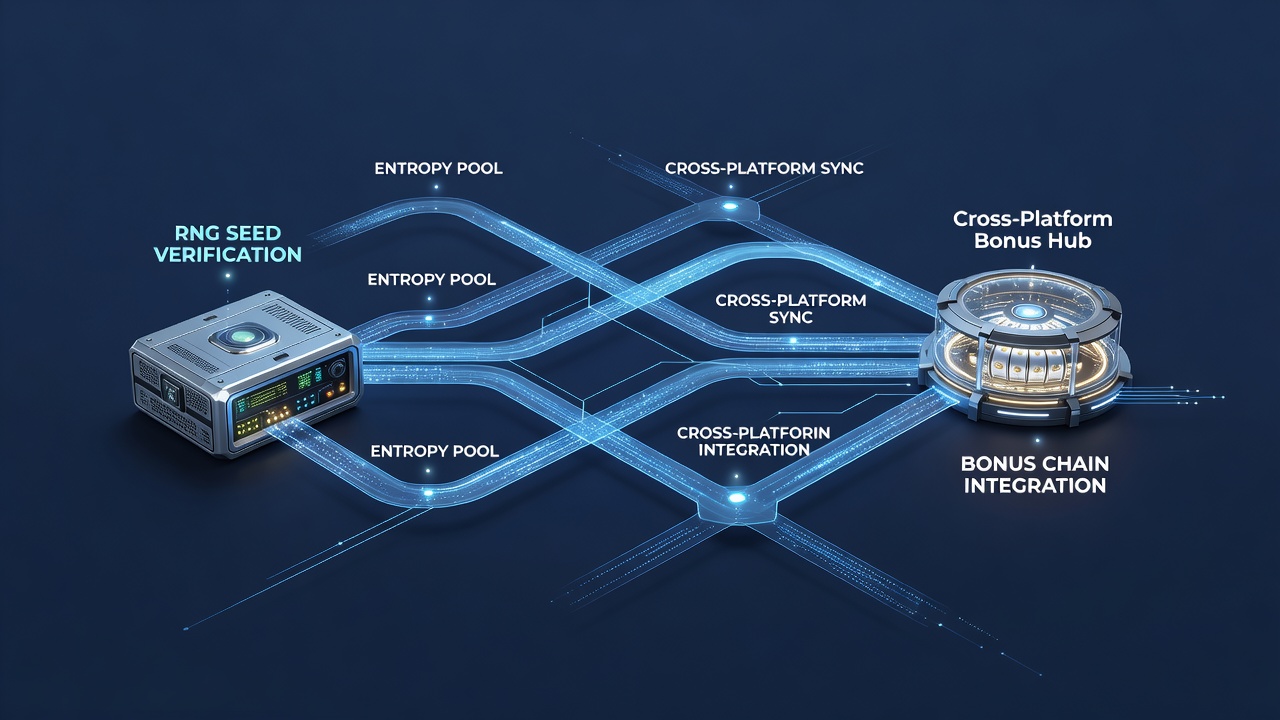
Digital reel systems rely on precise random number generator calibration to maintain statistical integrity while enabling bonus features that operate seamlessly across desktop, mobile, and tablet environments, and technical teams synchronize these elements through shared data frameworks that update in real time. Calibration processes involve continuous testing against established statistical benchmarks, and when combined with bonus chain mechanics, they create pathways where outcomes on one device influence reward sequences on another without disrupting fairness metrics.
RNG Calibration Foundations in Reel Technology
Calibration of random number generators begins with hardware or software-based entropy sources that generate sequences tested for uniformity, independence, and unpredictability, while regulatory standards from bodies such as the Nevada Gaming Control Board require periodic audits to verify that deviations stay within acceptable tolerances. Engineers adjust parameters like seed values and distribution models during these sessions, and the resulting calibrated outputs feed directly into reel mapping algorithms that determine symbol positions and trigger conditions for subsequent features.
Multiple calibration cycles occur daily in high-volume environments, and data logs capture variance rates alongside any adjustments made to keep generators aligned with certified models. Observers note that platforms handling cross-device play maintain synchronized calibration records so that a sequence initiated on mobile continues accurately when a player switches to desktop, preserving the integrity of every outcome.
Cross-Platform Bonus Chain Mechanics
Bonus chains link sequential rewards such as free spin progressions or multiplier accumulations across different operating systems, and developers implement API layers that transmit state information including current chain position and eligibility flags between servers and client devices. These connections rely on timestamped data packets that reconcile differences in processing speeds, ensuring that a bonus triggered during one session appears identically when accessed from another platform.
Research indicates that chain architectures often incorporate fallback protocols, and when network latency affects one endpoint, the system recalculates pending rewards using the most recent calibrated RNG output to avoid discrepancies. Those who manage live operations report that July 2026 updates to several international testing frameworks introduced stricter requirements for real-time synchronization logs, particularly for chains that span multiple jurisdictions.
Connecting Calibration Outputs to Bonus Triggers
The bridge between calibrated RNG streams and bonus chain logic centers on event listeners that monitor sequence values against predefined thresholds, and once a value meets activation criteria, the system initiates the next link in the chain while logging the exact RNG state for audit purposes. Engineers embed these listeners within both server-side and client-side code, allowing consistent behavior regardless of device type or operating system version.
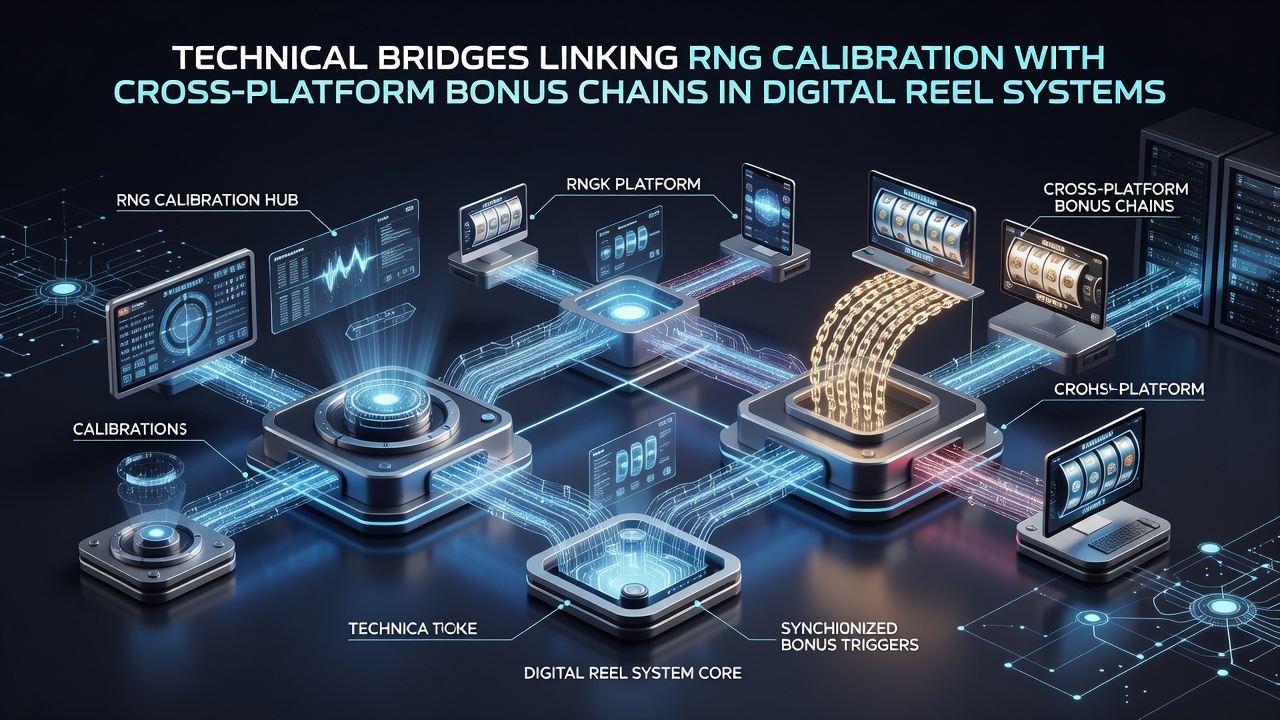
Integration layers convert raw calibration data into platform-specific instructions, and because the underlying random sequences remain consistent, players encounter the same statistical distribution whether they access reels through a browser or a native application. Technical documentation from industry groups such as the Gaming Laboratories International outlines test procedures that verify these conversions preserve randomness properties at every stage of the chain.
Implementation Patterns Observed in July 2026
During July 2026, several providers deployed updated calibration modules that support dynamic chain lengths, and these modules adjust bonus progression rates based on aggregated player session data while still drawing from the same certified RNG pool. System architects designed the new modules to handle simultaneous connections from thousands of devices, and reconciliation routines compare local RNG states against central records at fixed intervals to detect and correct any drift.
Case examples from large-scale deployments show that chain interruptions drop significantly when calibration timestamps align within millisecond tolerances, and operators use automated alerts to flag sessions where device handoffs exceed expected latency thresholds. Such patterns demonstrate how the technical connections between calibration and bonus delivery continue to evolve through incremental protocol refinements.
Conclusion
Technical bridges linking RNG calibration with cross-platform bonus chains rely on synchronized data flows, verified entropy sources, and adaptive reconciliation routines that keep outcomes consistent across devices. Standards from multiple regions guide these implementations, and ongoing refinements in July 2026 reflect continued focus on maintaining statistical fairness while supporting complex reward sequences that span different access points.