10 Jul 2026
Technical Approaches to Incorporating Responsibility Checks in Mobile Progressive Reel Slot Games
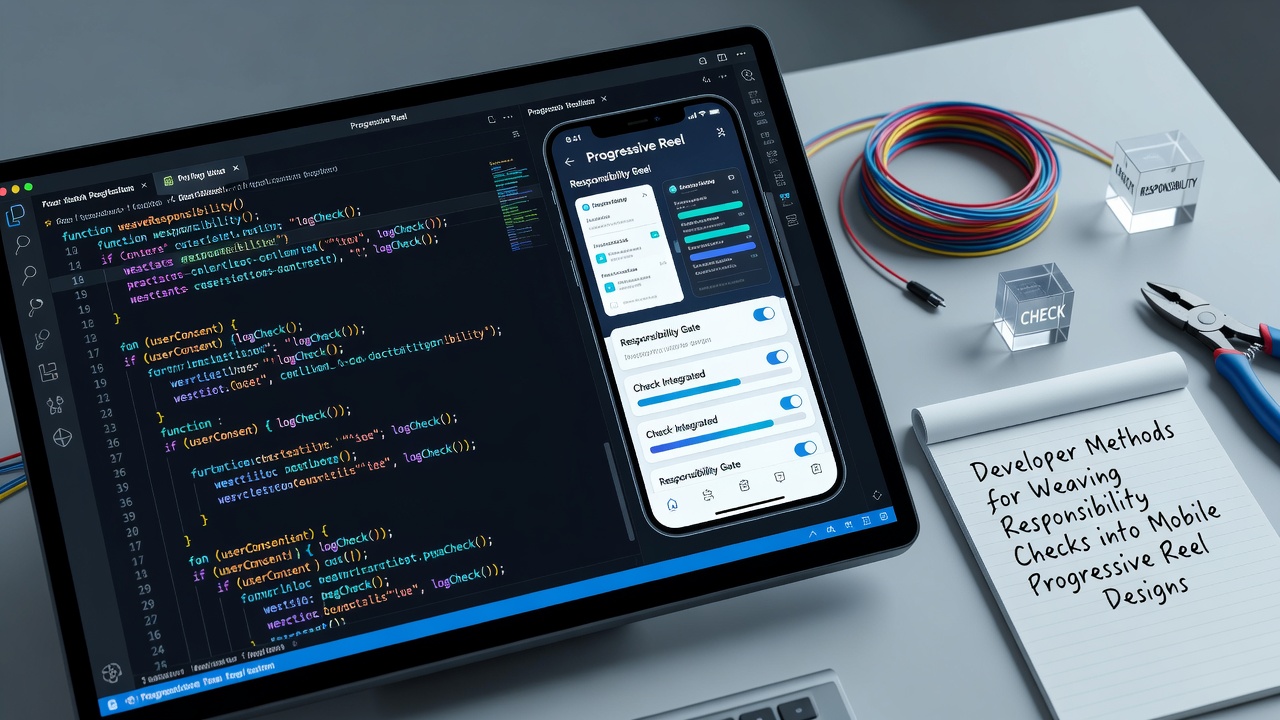
Core Mechanics of Progressive Reel Systems on Mobile
Progressive reel designs link multiple machines or sessions to a shared jackpot pool that grows with each wager, and developers embed responsibility checks directly into these mechanics by monitoring player behavior in real time through backend algorithms that track session length, bet frequency, and deposit patterns. These systems operate on mobile platforms where touch interfaces and variable network conditions demand lightweight code that does not interrupt reel animations or jackpot updates, so engineers route player data through secure APIs that flag potential issues without halting gameplay.
Research from the University of Nevada's gaming studies program shows that progressive mechanics require continuous jackpot calculations, and responsibility layers sit alongside these calculations using event listeners that trigger when thresholds are crossed. Data from Canadian regulators indicates that such dual-function architectures reduce excessive play indicators by integrating limit prompts at natural reel pauses rather than arbitrary intervals.
Algorithmic Integration of Behavioral Monitoring
Developers build machine learning models that analyze reel spin sequences alongside player account history, and these models run on device-side processing to maintain low latency during mobile sessions. The code identifies patterns such as rapid bet increases or prolonged continuous play, then initiates a responsibility overlay that presents deposit limits or cooling-off options while the progressive jackpot meter continues updating in the background.
One case where experts examined North American implementations revealed that separating the monitoring thread from the graphics engine allows checks to activate seamlessly, and figures from the Australian Communications and Media Authority demonstrate measurable drops in high-risk session durations when such parallel processing is applied. Engineers often use modular libraries that plug into existing reel frameworks, so updates to safeguard logic do not require full recompilation of the progressive pooling system.
User Interface Design for Non-Disruptive Prompts
Interface teams position responsibility messages within the mobile viewport so they appear as translucent panels over the reels rather than full-screen interruptions, and this approach preserves the visual flow of progressive jackpot growth. Buttons for setting session timers or accessing self-exclusion tools sit adjacent to spin controls, which lets players adjust limits without exiting the game environment.

Studies conducted by the National Council on Problem Gambling indicate that placement strategy affects compliance rates, and developers test multiple layouts through A/B frameworks that measure how often players engage with the tools during active reel cycles. Color coding and iconography align with the game's theme yet remain distinct enough to draw attention, while voice-over options for accessibility integrate with the same event triggers that manage jackpot contributions.
Data Handling and Regulatory Compliance Layers
Secure data pipelines transmit anonymized behavioral metrics to central servers that compare activity against regional thresholds, and developers incorporate encryption protocols that protect both jackpot ledgers and responsibility records in a single stream. In July 2026 several North American and European operators began rolling out unified SDKs that bundle these functions, allowing smaller studios to adopt the same safeguards previously available only to large providers.
Event logging captures every check activation alongside reel outcome data, which creates audit trails that satisfy oversight requirements without exposing personal identifiers during transmission. Teams employ differential privacy techniques so aggregate insights inform future algorithm refinements while individual player profiles stay protected.
Testing Protocols and Iterative Refinement
Quality assurance groups run automated scripts that simulate thousands of mobile sessions across device types, and these tests verify that responsibility triggers do not desync the progressive jackpot counter or introduce lag during peak network usage. Human testers then evaluate the emotional impact of prompts at different stages of play, feeding results back into model training cycles.
Reports compiled by the European Gaming and Betting Association document how iterative updates have improved prompt timing accuracy over successive releases, and the process continues as new reel features such as cascading symbols or bonus buy options are added to progressive titles. Developers maintain version control systems that tag responsibility modules separately, which simplifies rollback if a new check variant produces unexpected player drop-off.
Conclusion
Developers continue refining the technical fusion of progressive reel logic and responsibility checks through modular code, parallel processing, and user-tested interfaces that keep mobile experiences fluid. Ongoing data from international oversight bodies and academic programs supports incremental improvements that align gameplay innovation with player protection requirements across markets.