Protection Layers and Reward Networks Redefine Digital Gaming Experiences
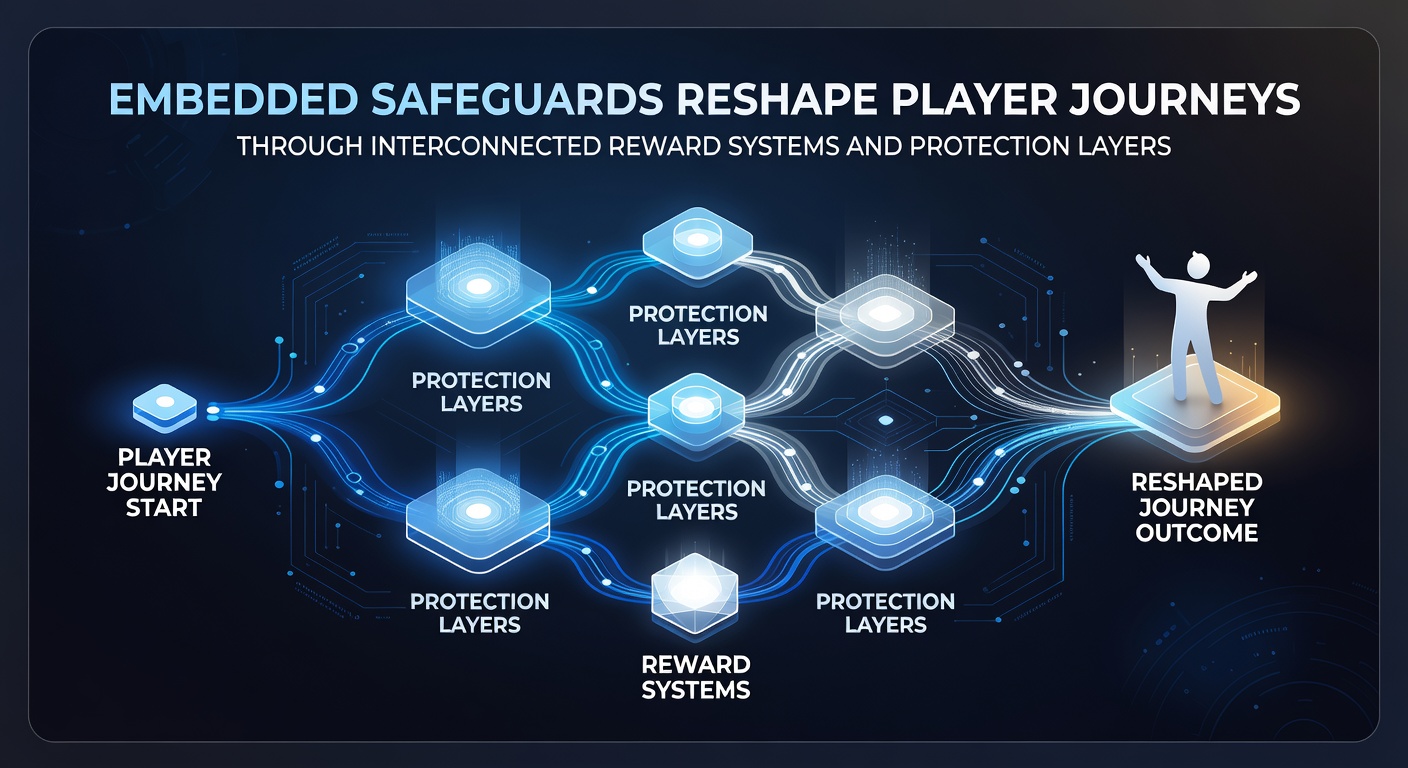
Digital gaming platforms have shifted toward embedded safeguards that connect directly with reward structures, creating player pathways where bonuses, loyalty tiers, and protection tools operate as a single system rather than separate features. Data from industry reports indicates these integrations began appearing more widely in 2024, with further expansions noted through spring 2026 as operators updated their backend systems to link spending limits with personalized reward triggers.
Core Components of Interconnected Systems
Modern setups combine deposit caps, session timers, and self-exclusion options with progressive bonus ladders and cashback mechanisms. When a player reaches a predefined time threshold, the platform automatically adjusts available rewards, such as pausing high-value promotions until the next day or converting remaining play into loyalty points instead of additional spins. Observers note this approach reduces the likelihood of extended sessions while maintaining engagement through alternative reward paths.
According to findings published by the Australian Gambling Research Centre, platforms using these linked features recorded a measurable drop in average session length among users who activated at least one protection setting. The same report highlights how reward accrual continues during restricted periods, allowing players to retain progress toward tier upgrades without additional deposits.
Regional Implementation Patterns in Early 2026
European operators rolled out updated compliance modules in January 2026 that required reward algorithms to reference real-time protection data. North American markets followed with voluntary frameworks, where several state-licensed platforms integrated similar connections by April of the same year. These changes emerged alongside hardware upgrades that support faster data exchange between front-end interfaces and backend monitoring tools.
One documented case involved a Canadian operator that connected its VIP points system to mandatory cooling-off periods, resulting in users receiving status-preserving rewards during enforced breaks rather than losing accumulated progress. Figures from the Canadian Centre on Substance Use and Addiction show parallel trends in user retention metrics across sites that adopted comparable models.
Technical Architecture Behind the Integration
Developers achieve these connections through API bridges that pull data from responsible gambling modules into the same database used for bonus tracking. A single player profile feeds both systems, so a deposit limit change immediately recalibrates which promotional tiers remain accessible. This architecture allows operators to test variations in reward frequency while the protection layer stays active, without requiring separate code branches for each function.

Testing cycles completed in late 2025 revealed that unified databases lowered processing delays during reward redemptions. Players who set weekly loss limits experienced no interruption in loyalty point collection, because the system routes those points through a secondary calculation path that bypasses the restricted spend window.
Player Journey Adjustments Observed in Practice
Users encounter these systems at multiple touchpoints. Initial onboarding now includes optional toggles that pre-link reward visibility to chosen limits, while ongoing play surfaces contextual prompts when patterns approach predefined thresholds. Rather than halting activity outright, the platform substitutes one reward type for another, such as replacing bonus spins with extended loyalty multipliers that activate after the cooling period ends.
Research conducted at the University of Nevada, Reno tracked similar substitution mechanics across several test environments and found sustained player participation rates when alternatives remained available. The study also recorded higher voluntary activation of protection features once participants understood that rewards would continue accruing in modified form.
Future Adjustments Expected by Mid-2026
Platform providers have indicated plans to expand cross-device synchronization so that protection settings set on desktop carry over automatically to mobile sessions with matching reward adjustments. Additional layers under discussion include biometric verification that triggers personalized reward pauses when fatigue indicators appear in gameplay data.
Industry associations in multiple jurisdictions continue to share implementation guidelines, focusing on data privacy standards that govern how protection and reward information travel together. These standards aim to keep both systems responsive while limiting unnecessary data exposure.
Conclusion
Embedded safeguards now form part of the core reward infrastructure across many digital gaming environments, with technical links that allow protection settings and bonus systems to reference the same player data in real time. Developments through May 2026 show continued refinement of these connections, particularly in cross-platform consistency and alternative reward routing during restricted periods. The pattern points toward further tightening of these integrations as regulatory expectations and platform capabilities evolve together.