Progressive Protections: Integrating Safety Tools Within Jackpot Mechanics and Tiered Loyalty Systems
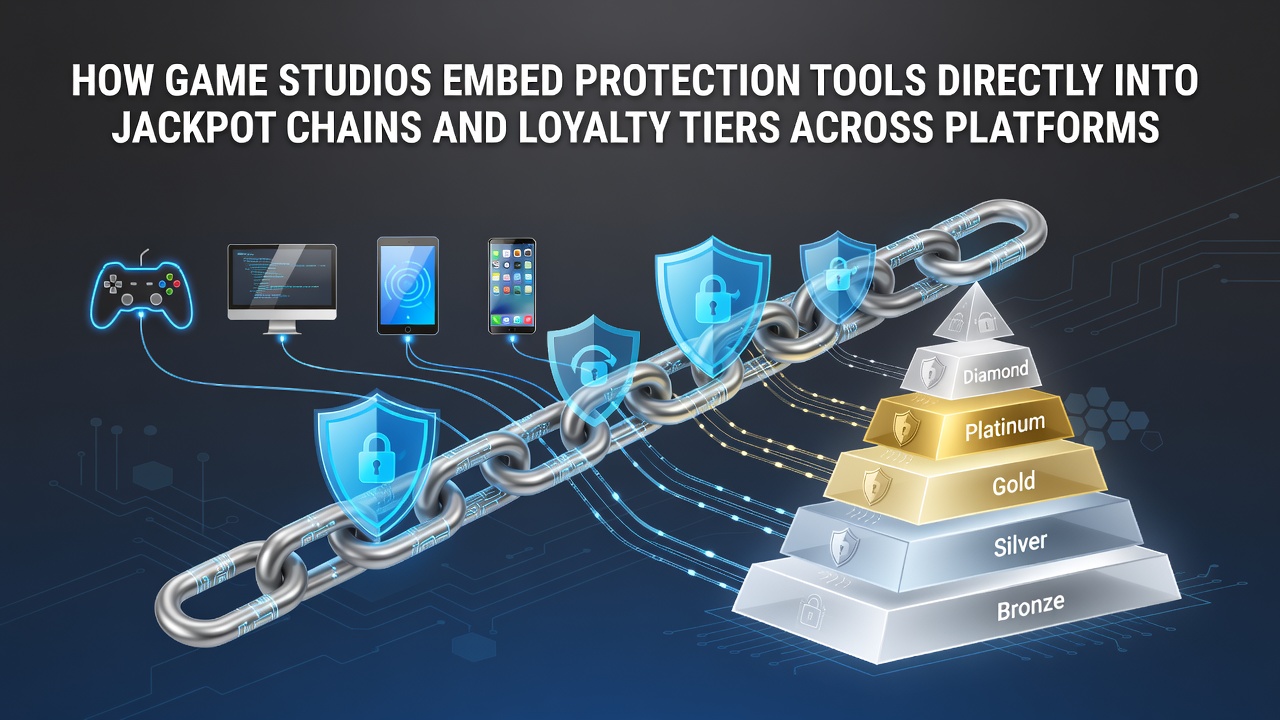
Game studios have developed methods to incorporate responsible gaming features directly into the architecture of jackpot chains and loyalty tier structures rather than treating them as separate overlays. These integrations appear in both mobile applications and desktop platforms where progressive prize pools connect across multiple titles and player reward levels adjust in real time based on activity data. As of July 2026 industry reports indicate that several major providers have updated their backend systems to flag high-velocity play within chained jackpot sequences before bonuses trigger.
Technical Architecture Behind the Embeddings
Developers use modular code frameworks that link session monitoring scripts to jackpot contribution engines and loyalty point accumulators so that risk indicators trigger automatically when certain thresholds are reached. A player accumulating points toward a higher tier while contributing to a linked progressive pool encounters built-in pauses or limit prompts generated from the same database that tracks prize growth. This approach allows consistent application of safeguards whether the session occurs on a smartphone during a commute or on a desktop workstation at home.
Studies from the Alcohol and Gaming Commission of Ontario have documented how these systems reduce the frequency of rapid deposit patterns by embedding cooling periods inside the loyalty progression algorithm itself. The code reads cumulative spend and time-on-device metrics then adjusts the rate at which additional jackpot entries become available to that account.
Cross-Platform Synchronization Methods
Platforms maintain synchronized databases that update jackpot chain values and loyalty tier status simultaneously across devices. When a protection threshold activates on mobile the same restriction applies the next time the player logs in via desktop. Providers achieve this through cloud-based player profiles that store both financial activity and reward eligibility data in a single record. Real-time APIs push updates to the game client so that visual elements such as progress bars toward the next loyalty level reflect current safety settings without requiring separate user configuration.

Examples from Current Implementations
One European developer integrated deposit velocity checks directly into its multi-title jackpot network so that contributions slow automatically once a daily threshold is approached. Loyalty points continue to accrue but at a reduced rate that signals the embedded control to the player through interface color changes. Another studio working across North American and Australian markets links free-spin awards from loyalty tiers to mandatory time-out options when chained jackpot participation exceeds predefined session lengths. These features operate without player intervention because the logic resides inside the reward distribution module.
Data compiled by the New Jersey Division of Gaming Enforcement shows that accounts using these embedded systems record lower average session durations compared with legacy titles that rely on external pop-up reminders. The difference appears most clearly in progressive jackpot environments where excitement from growing prize pools can otherwise extend play.
Regulatory Alignment and Reporting
Jurisdictions increasingly require evidence that protection mechanisms form part of core game mathematics rather than optional add-ons. Studios therefore submit documentation showing how jackpot contribution rates and loyalty point multipliers interact with risk algorithms during certification reviews. Reports submitted in mid-2026 detail how certain tier advancement rules now include automatic spend caps that scale with historical player behavior across linked titles.
Industry organizations such as the European Gaming and Betting Association have published guidelines encouraging members to publish technical white papers on these integrations. The documents describe data schemas that separate jackpot pool management from loyalty tracking while still allowing shared triggers for protective actions.
Future Development Directions
Engineers continue refining machine-learning models that predict when a player moving through jackpot chains is likely to reach personal limits and then adjust loyalty reward pacing accordingly. These models operate on anonymized aggregate datasets so individual identities remain protected while still delivering timely interventions. Testing in controlled environments during the first half of 2026 produced measurable reductions in high-risk play patterns without affecting overall jackpot payout ratios.
Conclusion
Game studios now treat protection tools as intrinsic components of jackpot and loyalty systems rather than external additions. The resulting architectures deliver consistent safeguards across mobile and desktop environments while meeting evolving regulatory expectations. Continued refinement of these embedded methods is expected to shape platform design through the remainder of 2026 and beyond.