Platform Developers Connect Payment Efficiency Directly to Layered Reward Structures in Digital Entertainment
Yara Jung · Aug 2, 2026
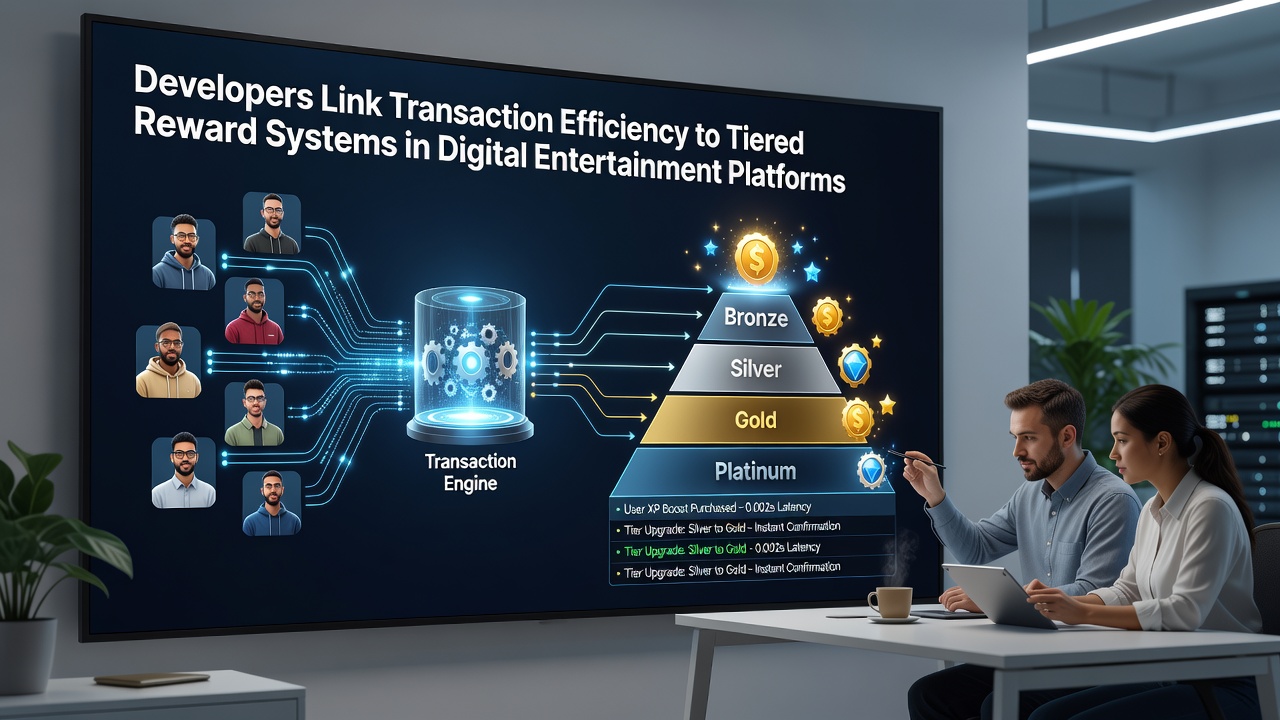
Platform Developers Connect Payment Efficiency Directly to Layered Reward Structures in Digital Entertainment
Developers across digital entertainment platforms have established direct connections between transaction processing speeds and the activation of tiered reward systems, with data from multiple regions indicating measurable impacts on user retention metrics. In August 2026 reports from industry observers, platforms that reduced average deposit confirmation times below three seconds recorded higher progression rates into elevated reward tiers compared with those maintaining longer intervals. Researchers at academic institutions tracking platform performance noted that seamless payment flows enable immediate eligibility checks for bonus structures, which in turn sustain engagement across sessions. Section analyses from the European Gaming and Betting Association highlight how backend integrations now route transaction confirmations straight into loyalty algorithms. These systems automatically evaluate user activity against predefined thresholds before unlocking successive reward levels. Observers note that the technical linkage eliminates manual verification delays, allowing rewards such as enhanced multipliers or exclusive content access to activate without interruption. Data from Canadian provincial regulators shows similar patterns in regulated online entertainment environments, where platforms reporting sub-second authorization times experienced accelerated tier advancement among active accounts during the first half of 2026.Technical Mechanisms Behind the Integration
Developers implement application programming interfaces that feed real-time transaction data into centralized reward engines, creating a continuous loop between financial actions and loyalty status updates. When a payment clears, the system cross-references cumulative spend, session frequency, and deposit volume against tier criteria stored in the same database cluster. This architecture supports simultaneous updates across mobile and desktop interfaces, ensuring users see tier progression reflected instantly upon transaction success. Studies from research groups in Australia documented that platforms employing these unified data pipelines reduced the average time between deposit and reward notification from forty-five seconds to under five seconds.
Security protocols remain embedded throughout the process, with encryption layers and compliance checks running in parallel rather than sequentially. Regulatory frameworks in multiple jurisdictions require these checks to complete before reward distribution, yet optimized code paths allow both requirements to finish within the same operational window. Those tracking platform metrics report that such parallel processing maintains audit trails while preserving the speed necessary for tier-based incentives to function as intended.
Regional Patterns in Adoption

North American platforms began rolling out these integrated systems earlier in 2026, with several major operators citing internal metrics that linked faster payments to increased movement through reward brackets. European operators followed with comparable implementations, adapting the model to accommodate varying tax structures and licensing conditions across member states. Data compiled by independent research organizations indicates that platforms operating under these combined frameworks recorded average tier completion rates rising by measurable percentages quarter over quarter.
Asia-Pacific markets present additional variations, where mobile-first architectures dominate and transaction efficiency directly influences progression through localized reward ladders. Developers in these regions often prioritize integration with regional payment gateways, ensuring that local currency processing aligns with global reward calculation engines. The result appears in consistent cross-border user data showing accelerated tier attainment when transaction latency stays minimal.
Impact on Platform Metrics
Figures released by analytics providers in mid-2026 demonstrate correlations between reduced transaction friction and elevated participation in tiered programs. Accounts experiencing instant payment confirmation advanced through initial reward stages at higher frequencies than those encountering delays. Platform operators using these linkages also reported steadier daily active user counts, as reward visibility encouraged repeated financial interactions that fed back into the tier system.
Case examples include entertainment platforms that introduced tier-specific progressive features tied exclusively to verified deposit histories. Once a transaction processes efficiently, the system grants immediate access to escalating reward pools without separate enrollment steps. Observers monitoring these deployments note sustained session lengths among users who reach mid-tier status, suggesting the linkage between efficiency and rewards creates self-reinforcing activity cycles.
Future Development Directions
Engineers continue refining the synchronization between payment rails and reward databases, exploring blockchain-based verification methods that could further compress processing windows while preserving regulatory compliance. Pilot programs underway in several markets test predictive tier adjustments that anticipate user eligibility based on pending transactions, provided final confirmation occurs within defined time limits. These advancements build upon existing architectures rather than replacing them, maintaining compatibility with current reward structures.
Conclusion
Developers have embedded transaction efficiency as a foundational component of tiered reward systems across digital entertainment platforms, with documented outcomes visible in retention data and progression statistics through August 2026. The technical connections now standard in teh sector enable immediate reward activation following payment completion, supported by parallel compliance mechanisms and regional adaptations. Evidence from multiple regulatory and research sources confirms that these integrations produce measurable shifts in user behavior patterns, establishing transaction speed as a core driver within loyalty frameworks.