Payment Tech Advances Powering Tiered Rewards in Handheld Progressive Gaming Networks
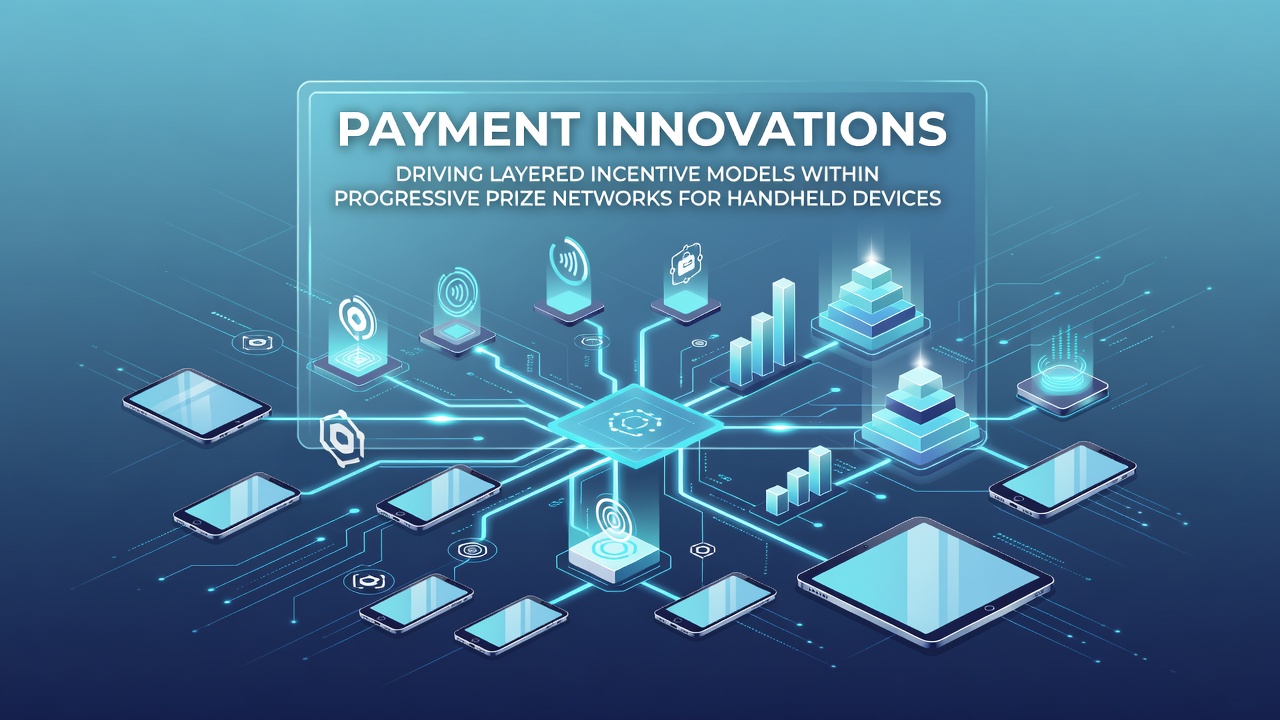
Payment innovations continue to reshape how operators structure rewards across progressive prize networks on handheld devices, with instant transaction methods enabling multi-level incentive layers that activate based on deposit frequency and amount. These systems link real-time payments directly to escalating bonus tiers while connecting individual player progress to shared jackpot pools that span mobile platforms.
Core Payment Mechanisms Fueling Incentive Layers
Digital wallets and instant bank transfers now serve as entry points for players to unlock successive reward levels, where each completed transaction feeds into algorithmic models that adjust bonus multipliers and prize eligibility in real time. Operators integrate these payment rails with backend networks so that a single deposit can simultaneously credit a base reward, contribute to a progressive pool, and advance the user through VIP stages that offer enhanced free spin allocations or jackpot qualifiers.
Data from industry tracking services shows that networks employing these layered models record higher average transaction values per session because the incentive structure rewards continued engagement through graduated benefits. Handheld devices benefit particularly since mobile-optimized payment APIs reduce friction, allowing seamless progression from deposit to bonus activation without leaving the game interface.
Progressive Prize Networks and Mobile Integration
Progressive prize networks operate by pooling contributions from multiple handheld sessions into centralized jackpot systems that grow until triggered, and payment innovations accelerate this process by tagging each deposit with metadata that determines both individual incentives and network-wide prize shares. Developers embed these connections so that larger or more frequent payments increase a player's stake in the progressive tier while simultaneously unlocking parallel reward streams such as cashback ladders or exclusive event entries.
Research conducted by the University of Nevada's gaming laboratory indicates that such integrated models maintain strict separation between payment processing and game outcome generation, ensuring compliance across jurisdictions while still delivering the layered benefits that keep users returning to mobile interfaces. In July 2026 several major platforms expanded these networks to include cross-device tracking, allowing progress earned on phones to carry over to tablets without resetting incentive levels.

Security Protocols and Regulatory Alignment
Security frameworks accompany these payment-driven incentive systems through tokenization and real-time verification that confirm each transaction before releasing any layered rewards or advancing progressive contributions. Regulatory bodies in multiple regions require operators to maintain audit trails that link payment events to specific bonus activations, preventing any overlap between financial processing and random number generation.
The American Gaming Association has published guidelines that encourage transparent disclosure of how deposits influence incentive tiers, and platforms following these standards report sustained user retention because players understand exactly which actions advance them through the reward structure. Observers note that handheld device limitations such as smaller screens and variable connectivity have prompted developers to simplify the visual feedback for these layers, displaying only the most relevant tier progress while keeping full network details accessible through menu options.
Future Trajectories for Layered Mobile Models
Emerging payment technologies including contactless options and embedded banking features promise further refinement of these incentive networks by shortening the time between deposit confirmation and reward distribution. This acceleration allows progressive prize pools to accumulate contributions faster while giving operators more granular control over how each payment tier influences both personal bonuses and shared jackpot growth.
Those who have examined deployment data across multiple operators find that handheld-focused implementations consistently show stronger uptake of layered incentives when payment methods support one-tap confirmations, reducing drop-off between the decision to deposit and the activation of higher reward brackets. Continued evolution in this space depends on maintaining clear boundaries between financial transactions and game mechanics, a separation that current frameworks already enforce through independent verification layers.
Conclusion
Payment innovations have established direct pathways that connect instant deposits to multi-tiered incentive models operating inside progressive prize networks on handheld devices, with each transaction simultaneously feeding personal rewards and collective jackpot growth. These structures rely on secure, auditable processes that align with regulatory expectations while delivering measurable engagement benefits across mobile platforms. As technology advances, the linkage between payment speed and layered reward access will likely deepen, sustaining the networks that now define much of the handheld gaming landscape.