Instant Transactions Reshaping Jackpot Dynamics and Player Protections in Mobile Slots
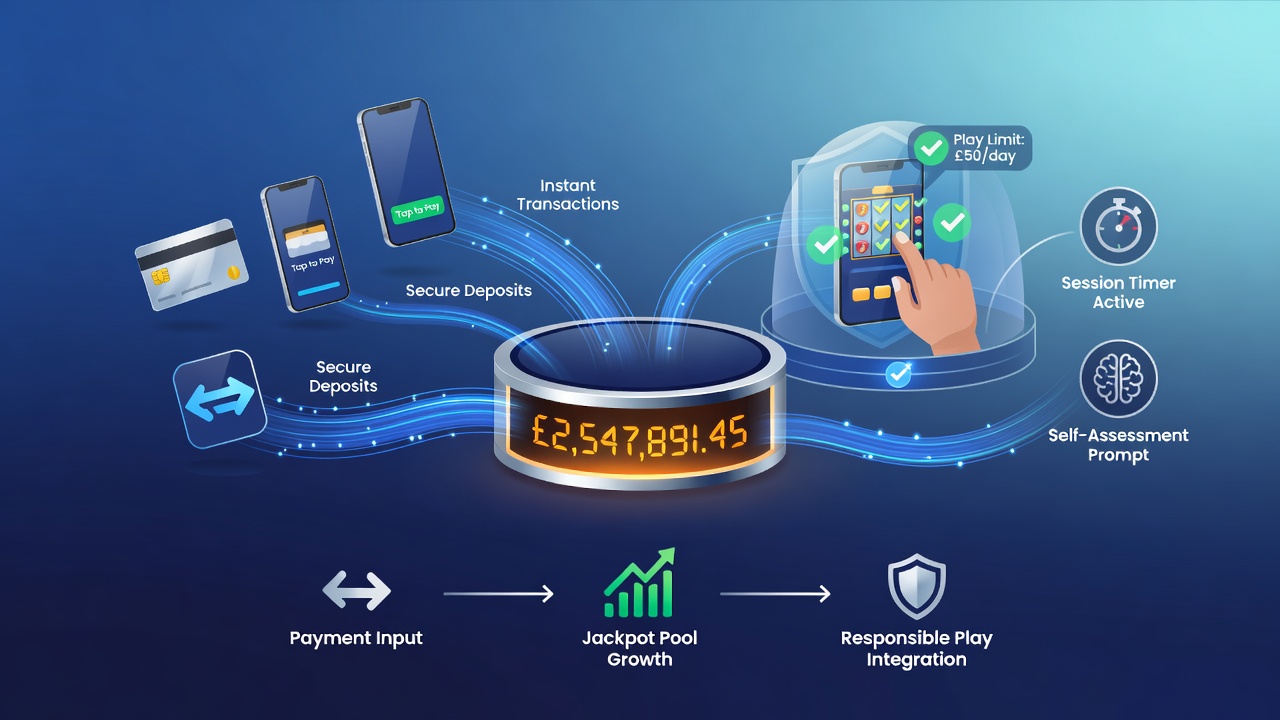
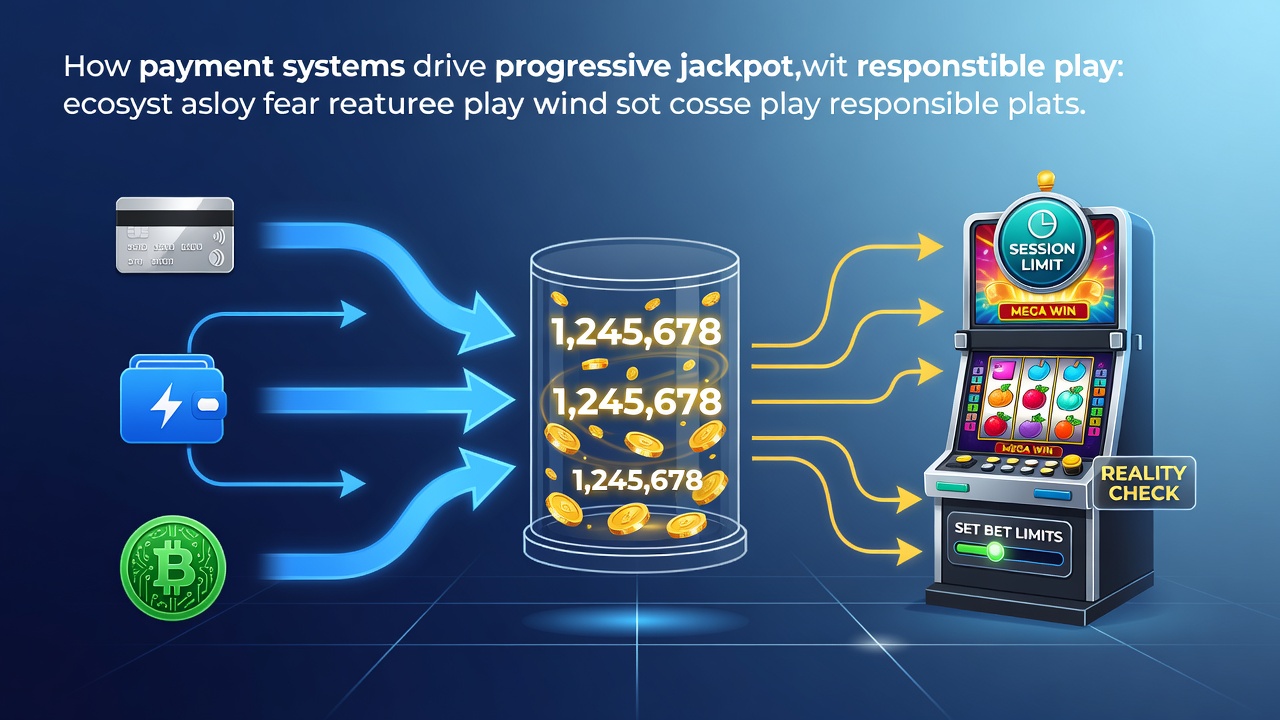 Payment systems sit at the core of mobile slot ecosystems because they determine how quickly contributions reach progressive jackpot pools and how effectively operators can embed responsible play tools. Fast deposit methods allow players to join games without delay, which in turn accelerates the rate at which seed amounts and incremental contributions build across linked titles. Researchers tracking transaction patterns note that platforms using instant payment rails record higher jackpot growth rates than those relying on slower clearing processes.
Payment Speed and Jackpot Accumulation
Instant banking options such as digital wallets and open banking transfers move funds into player accounts within seconds, enabling immediate participation in progressive slots where every spin adds a fraction to the shared prize. This continuous inflow keeps meters climbing even during off-peak hours. Data from European gaming reports shows that networks supporting real-time deposits see jackpot pools expand 30 to 40 percent faster during high-traffic periods compared with systems that batch transactions overnight.
Payment gateways also influence how operators structure multi-jurisdictional jackpots. When settlement happens instantly, providers can pool contributions across borders without waiting for batch reconciliations, which expands the player base feeding each meter. One study released in early 2026 highlighted that cross-border instant payment corridors increased average progressive prizes by linking previously separate regional pools into single growing totals.
Linking Deposits to Responsible Play Controls
Modern payment processors integrate directly with responsible gaming modules, allowing operators to apply deposit limits, cooling-off periods, and session caps at the point of transaction rather than after play begins. This architecture prevents players from bypassing safeguards through repeated funding attempts. Industry data collected through July 2026 indicates that systems embedding limit checks during the deposit flow reduce instances of rapid successive deposits by nearly one quarter.
Self-exclusion registers connect to payment processors so that once a player opts out, any incoming transactions trigger automatic blocks. This linkage works across mobile apps and web versions, maintaining consistency regardless of device. Observers note that platforms adopting this approach report lower rates of account reactivation attempts within the first month after exclusion begins.
Regional Regulatory Approaches to Payment Integration
Regulators outside the United Kingdom have begun requiring payment providers to share real-time transaction data with gaming operators for compliance monitoring. In Australia, the Australian Communications and Media Authority updated its expectations around digital payment verification in 2025, emphasizing the need for seamless data exchange that flags potential harm indicators. Similar requirements appear in Canadian provincial frameworks where payment processors must support automated spend tracking.
These mandates encourage the development of unified APIs that handle both jackpot contributions and responsible play flags within the same transaction stream. Developers who build these dual-purpose systems report smoother audits and fewer manual reconciliations.
Case Examples from Mobile Platforms
Take one European operator that introduced instant bank transfers in late 2025. Within six months its flagship progressive title posted record meter growth because players could top up and continue spinning without leaving the app. At the same time the operator activated deposit-limit prompts that appeared before each transaction cleared, giving users an immediate view of their remaining daily allowance.
Another example comes from a North American studio that partnered with a payment processor offering built-in reality-check messages. Every third deposit triggered a brief pause displaying current session length and total amount wagered, while still allowing the contribution to reach the progressive pool. Figures released by that studio showed steady jackpot increases alongside stable player retention metrics.
Future Directions in July 2026 and Beyond
Industry analysts tracking mobile slot development expect payment systems to incorporate predictive analytics that identify unusual deposit patterns before they escalate. These tools would sit alongside existing jackpot engines, using the same data pipelines to adjust contribution rates or trigger additional player prompts. Early pilot programs running through July 2026 already demonstrate that such layered systems can maintain jackpot momentum while strengthening protective measures.
Conclusion
Payment infrastructure now determines both the pace of progressive jackpot growth and the effectiveness of responsible play features in mobile slot environments. Real-time transaction capabilities accelerate pool accumulation, yet they also provide the technical foundation for embedding limits and exclusion tools at the moment funds move. As more regions adopt integrated payment standards, operators gain clearer pathways to scale jackpots responsibly across expanding player networks.