Gaming Providers Unite to Create Portable Rewards Across Slot and Table Formats
Taylor Griffin · Aug 7, 2026
Gaming Providers Unite to Create Portable Rewards Across Slot and Table Formats
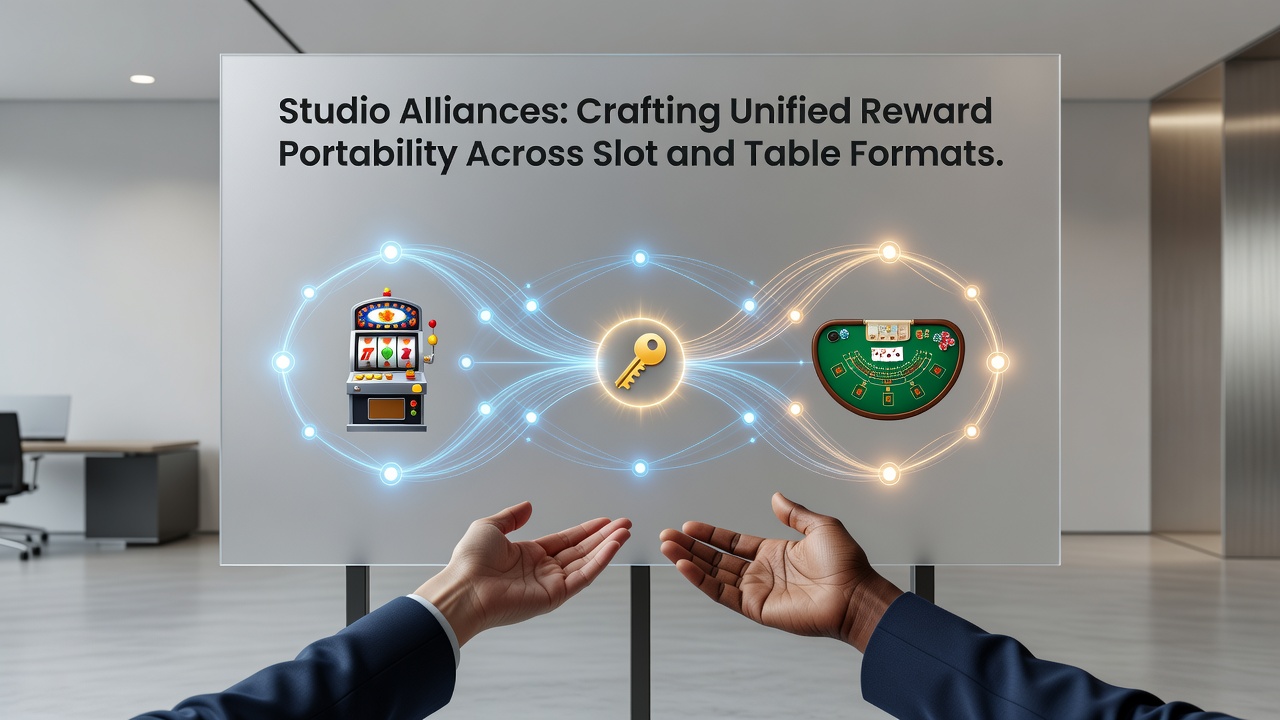
Studio alliances have emerged as a key development in the gaming sector during 2026 with multiple providers establishing frameworks that allow player rewards to transfer seamlessly between slot machines and table game formats, and data from industry reports show these partnerships focus on loyalty points, bonus credits, and progress tracking that function across both verticals without requiring separate accounts or resets.
Building Cross-Format Reward Systems
Providers such as those specializing in digital reels and those focused on live dealer tables have formed technical working groups to standardize data protocols, which enables a player who accumulates points on a slot title to apply those same points toward table game buy-ins or side bets, while the reverse holds true for participants who start at blackjack or roulette and later move to spinning formats.
Technical teams integrate application programming interfaces that track player activity in real time, and this approach reduces fragmentation that previously forced users to maintain multiple loyalty profiles across different game categories. Observers note that such integrations draw on existing payment and verification layers already in place for deposit and withdrawal processes.
Technical Standards and Implementation Timelines
Developers began rolling out initial versions of these unified systems in early 2026 with full deployment targeted for several major platforms by August 2026, and testing phases revealed that reward portability functions across mobile, desktop, and venue-based terminals when operators adopt the shared protocol layers.
Standards bodies including the International Gaming Standards Association have published preliminary guidelines on data formatting and security requirements, which helps smaller studios participate without rebuilding entire backend infrastructures from scratch. One case involved a European provider adapting its existing player tracking module to align with the new specifications in under four months.
Player Experience and Operational Impacts
Participants gain flexibility because accumulated rewards no longer disappear when they switch from one game type to another, and operators report higher session lengths as users explore additional titles knowing their progress carries forward. Figures from platform analytics indicate average time spent per visit increased in markets where these alliances activated.
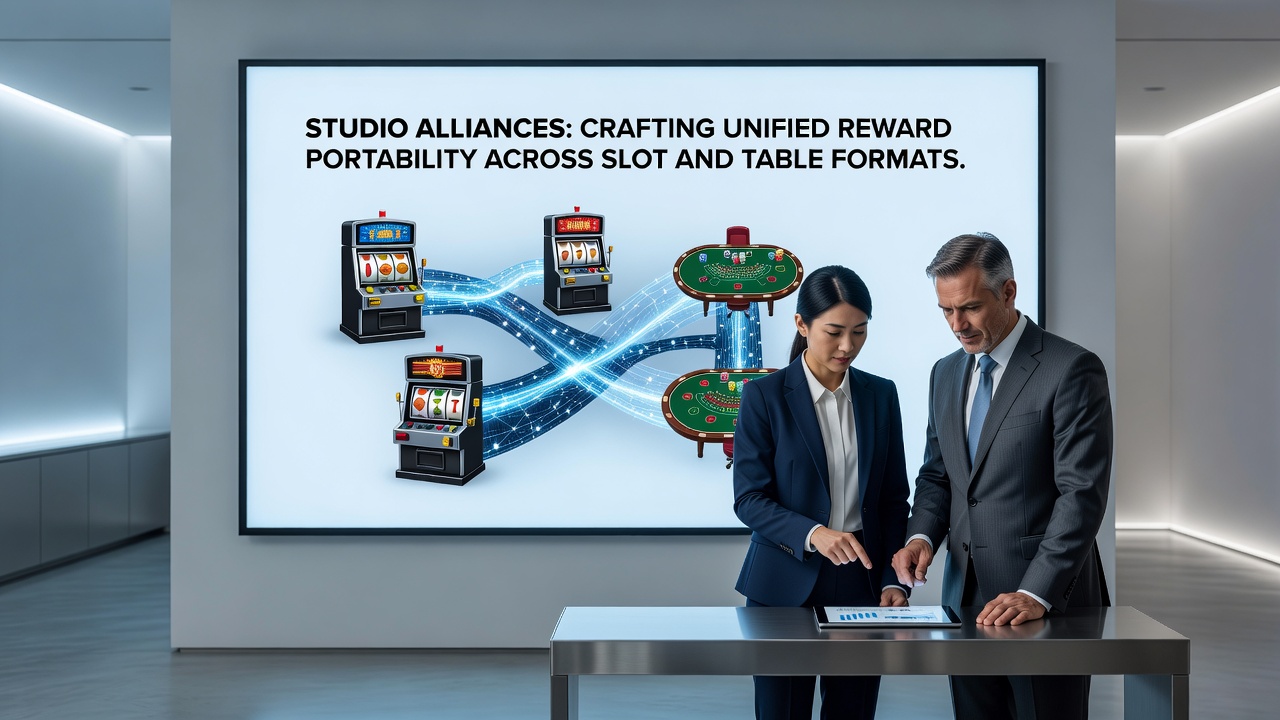
Security remains a priority because shared systems require robust encryption and fraud detection measures that cover both random number generator outcomes and live dealer result verification, and audits conducted by independent testing labs confirm that portability features do not introduce new vulnerabilities when implemented according to the alliance specifications.
Regional Adoption Patterns
Markets in North America and parts of Asia Pacific have seen faster uptake of these unified reward models compared with earlier fragmented approaches, while regulatory frameworks in those regions permit the necessary data sharing among licensed operators. A report issued by the Canadian Gaming Association outlines how cross-format tracking supports responsible gaming tools by providing a single view of player activity across slots and tables.
Academic researchers at institutions studying digital entertainment economies have examined early adoption data and found that reward portability correlates with broader game exploration without increasing overall spend rates among monitored cohorts. These studies draw from anonymized transaction logs supplied by participating studios under strict privacy controls.
Future Directions for Studio Partnerships
Additional alliances continue to form as more providers recognize the value of shared infrastructure, and discussions now include potential extensions to include tournament structures and achievement badges that span both slot and table environments. The current focus stays on maintaining compliance with varying jurisdictional rules while expanding the technical reach of the portability layer.
Industry conferences scheduled for later in 2026 will feature demonstrations of updated modules that allow real-time reward redemption at hybrid tables combining physical and digital elements, and these sessions aim to gather feedback from operators who have not yet joined existing partnerships.
Conclusion
Studio alliances centered on unified reward portability represent a structural shift that connects previously separate gaming verticals through standardized data exchange and shared loyalty mechanics. Implementation timelines point to wider availability by August 2026, supported by technical standards and regional regulatory acceptance that together enable operators to deliver consistent player experiences across slots and tables. Continued collaboration among providers will determine how far these systems extend into new formats and markets.