Flexible Transactions Meet Multi-Layer Defenses in Portable Reel Platforms

Portable reel platforms continue to evolve as developers connect payment flexibility directly to layered security measures, and observers note this integration shapes how players interact with mobile slots throughout 2026. Data from industry reports shows transaction options now include instant bank transfers, digital wallets, and cardless methods that activate within seconds, while protection layers handle verification, encryption, and real-time monitoring simultaneously.
Those who've studied mobile gaming trends know developers link these systems because flexible deposits allow immediate access to features like bonus rounds and progressive jackpots, yet the same infrastructure routes every transaction through multiple verification stages. Research indicates this approach reduces friction for users while maintaining compliance standards across different jurisdictions, and July 2026 figures reveal increased adoption rates in regions outside the UK market.
Payment Flexibility Expands Access Points
Transaction flexibility appears in several forms across portable reel platforms, and developers design these options to accommodate varying player preferences without compromising speed. Instant deposits via mobile banking apps connect to game wallets in under ten seconds, while cryptocurrency options provide an alternative route that bypasses traditional card networks. Studies from academic sources demonstrate that players who use multiple payment methods often maintain longer session times when the system adapts automatically to their chosen channel.
What's interesting here is how these flexible pathways feed directly into backend systems that flag unusual patterns before funds reach the reels. One study revealed that platforms integrating real-time payment monitoring saw a measurable drop in disputed transactions, and observers note this occurs because the flexibility itself becomes part of the detection framework rather than a separate process.
Layered Protections Operate in Sequence
Protection layers on portable reel platforms typically stack in sequence, starting with device-level authentication and moving through account verification, transaction screening, and behavioral analysis. Each layer activates independently yet shares data with the others, which allows the system to respond to potential issues at any stage of a deposit or withdrawal. According to reports from Canadian regulatory bodies, this sequential model helps platforms meet standards set by provincial gaming authorities while supporting cross-border play.
Device and Account Verification
Initial layers focus on confirming the device and account details, and developers often embed biometric checks alongside traditional passwords. These steps run in the background during deposit attempts, so players experience minimal delay while the system confirms identity through multiple signals.
Transaction Screening and Monitoring
Subsequent layers examine transaction details in real time, and algorithms compare amounts, frequency, and source against established patterns. When a deposit arrives through a flexible method like an e-wallet, the screening layer cross-references it with account history before releasing funds to the game balance.
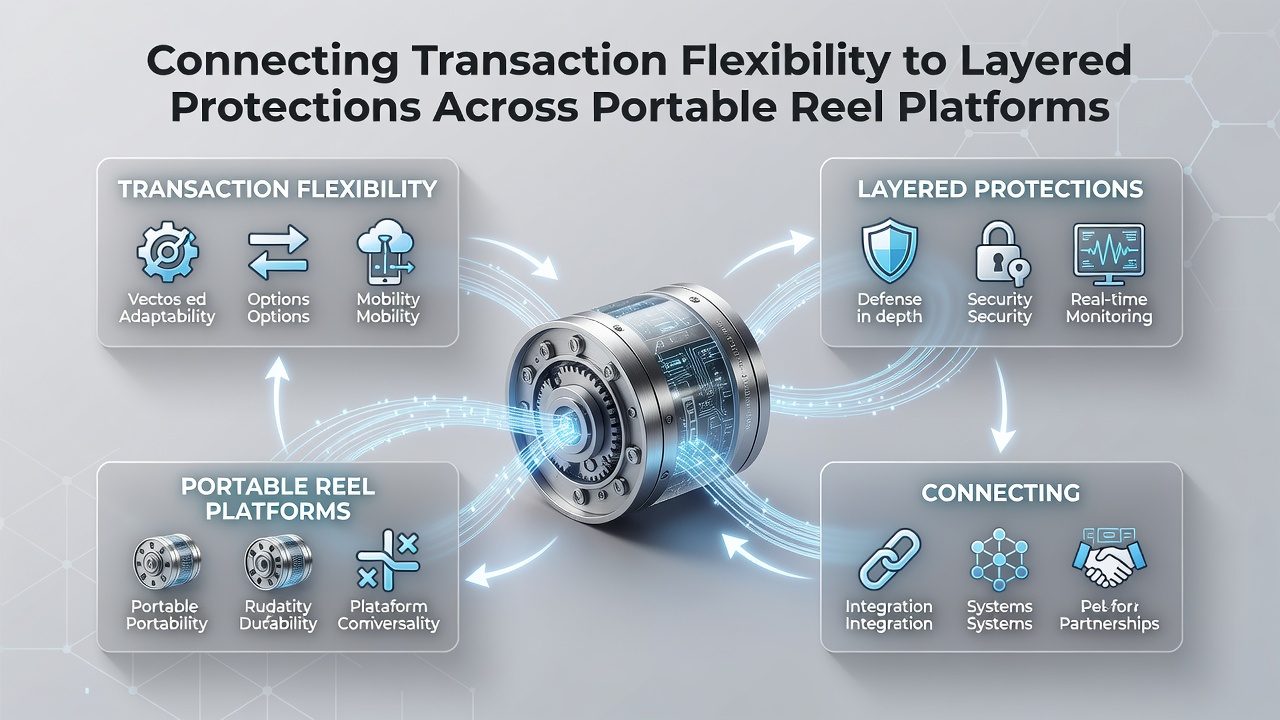
Turns out the connection between flexibility and protection becomes most visible during high-volume periods, and July 2026 data from Australian sources shows platforms handling increased mobile traffic maintained steady verification times even as deposit volumes rose. Researchers discovered that linking payment channels to monitoring layers allowed quicker identification of anomalies without adding extra steps for legitimate users.
Integration Examples Across Platforms
Take one developer who integrated instant deposit options with multi-factor authentication across their mobile titles, and the result connected flexible payments to escalating security checks based on transaction size. Players using smaller amounts passed through fewer visible steps, while larger deposits triggered additional reviews automatically, and this graduated approach appears in several major mobile slot portfolios.
Another case involved a platform that routed all wallet transfers through an encryption layer before they reached the game server, and the same system applied behavioral flags if session patterns deviated from normal activity. Evidence suggests such integrations help platforms comply with regional requirements while keeping the player experience consistent across devices.
Current Trends in July 2026
July 2026 brought expanded use of tokenized payments on portable reel platforms, and these tokens link directly to protection layers that verify each use without exposing full account details. Industry organizations tracking mobile gaming report that this method gained traction because it combines flexibility with reduced exposure during transactions, and developers continue to refine how these tokens interact with real-time monitoring tools.
Observers note that platforms adopting these combined systems often reference guidelines from European gaming associations, which emphasize both player access and security layering. Data shows the trend extends beyond single markets, with similar patterns emerging in North American and Asian mobile offerings as well.
Conclusion
Connecting transaction flexibility to layered protections across portable reel platforms creates systems where deposits and safeguards operate as interconnected components rather than separate functions. Research indicates this model supports both player convenience and regulatory compliance, and July 2026 developments suggest continued refinement in how these elements align. Those following the sector see platforms applying these principles across an increasing range of mobile titles, wth payment options and security measures evolving in tandem to meet changing demands.