Developers Craft Integrated Frameworks for Payments, Rewards, and Safety in Slot Systems
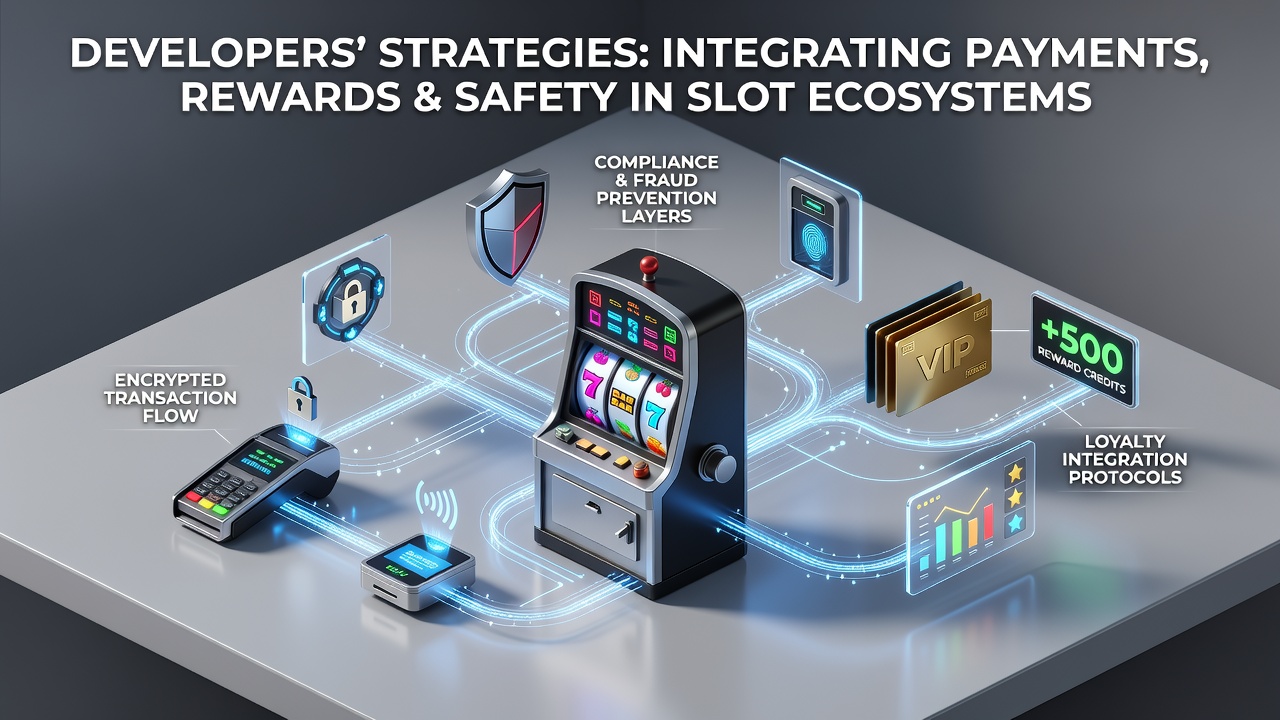
Slot machine ecosystems now rely on developers who weave secure payment systems together with reward programs and safety protocols into single unified platforms, and this approach allows operators to handle transactions while managing player incentives and compliance checks without separate disconnected tools. Research from industry reports shows that integrated architectures reduce processing delays and improve data consistency across multiple functions at once.
Payment System Foundations in Modern Slot Designs
Developers typically start with payment gateways that meet PCI DSS standards and incorporate real-time verification layers, and these systems connect directly to banking networks or digital wallets through encrypted APIs that support instant deposits and withdrawals. Data from the New Jersey Division of Gaming Enforcement indicates transaction volumes in regulated markets grew steadily through mid-2026, which prompted many studios to adopt multi-currency support and blockchain-based ledgers for audit trails. Such connections ensure funds move securely while feeding into other platform modules without manual intervention.
Linking Reward Programs to Transaction Flows
Reward structures tie into payment data streams so that every deposit or spin triggers loyalty points, tier upgrades, or bonus credits automatically, and developers use centralized databases or cloud-based CRM tools to track player activity across sessions. This setup lets algorithms adjust reward offers based on spending patterns while maintaining separate ledgers for promotional funds that do not mix with real-money balances. Observers note that these linkages help operators run targeted campaigns without creating extra administrative layers, and the result appears in higher retention metrics reported by various gaming associations.
Safety Protocols Embedded at the Core Level
Safety features such as session timers, deposit limits, and self-exclusion lists integrate through the same backend that manages payments and rewards, which allows real-time alerts to trigger when thresholds approach. Developers implement these via modular code that pulls from regulatory databases and uses machine learning models to flag unusual patterns, and evidence from studies by the University of Nevada, Las Vegas gaming research group shows such combined systems lower incident rates in controlled environments. In July 2026 several platforms rolled out enhanced age-verification APIs that cross-check against government identity services during account creation, further tightening the connection between access controls and financial operations.

Those connections reduce the chance of conflicting rules because all three areas share the same data pipeline, and this shared structure supports faster updates when new compliance requirements emerge. Australian government gaming oversight reports highlight similar trends where unified safety tools helped maintain consistent player protection across state lines.
Technical Approaches to Full Ecosystem Integration
Teams often rely on microservices architectures that let payment processors, loyalty engines, and safety monitors communicate through standardized event buses, and this design supports scalability when player numbers rise. Code libraries handle encryption, tokenization, and audit logging in one pass so that reward calculations happen only after safety checks clear. People who have examined these builds find that open standards like those promoted by the Gaming Standards Association speed up deployment across different jurisdictions without repeated custom work.
Case examples include studios that partnered with fintech firms to embed wallet functions directly into game clients, which then sync reward balances and safety flags in the background. The approach avoids siloed data and lets operators generate unified reports for both internal review and external audits at the same time.
Conclusion
Developers continue refining these linked systems as regulatory landscapes shift, and the focus remains on creating reliable pathways that keep payments protected, rewards accurately distributed, and safety measures active without adding friction for players or operators. Ongoing work with academic researchers and regional oversight bodies supports steady improvements in how these components function together across global slot markets.