Building Loyalty Through Secure Transaction Frameworks in Multi-Device Gaming Environments

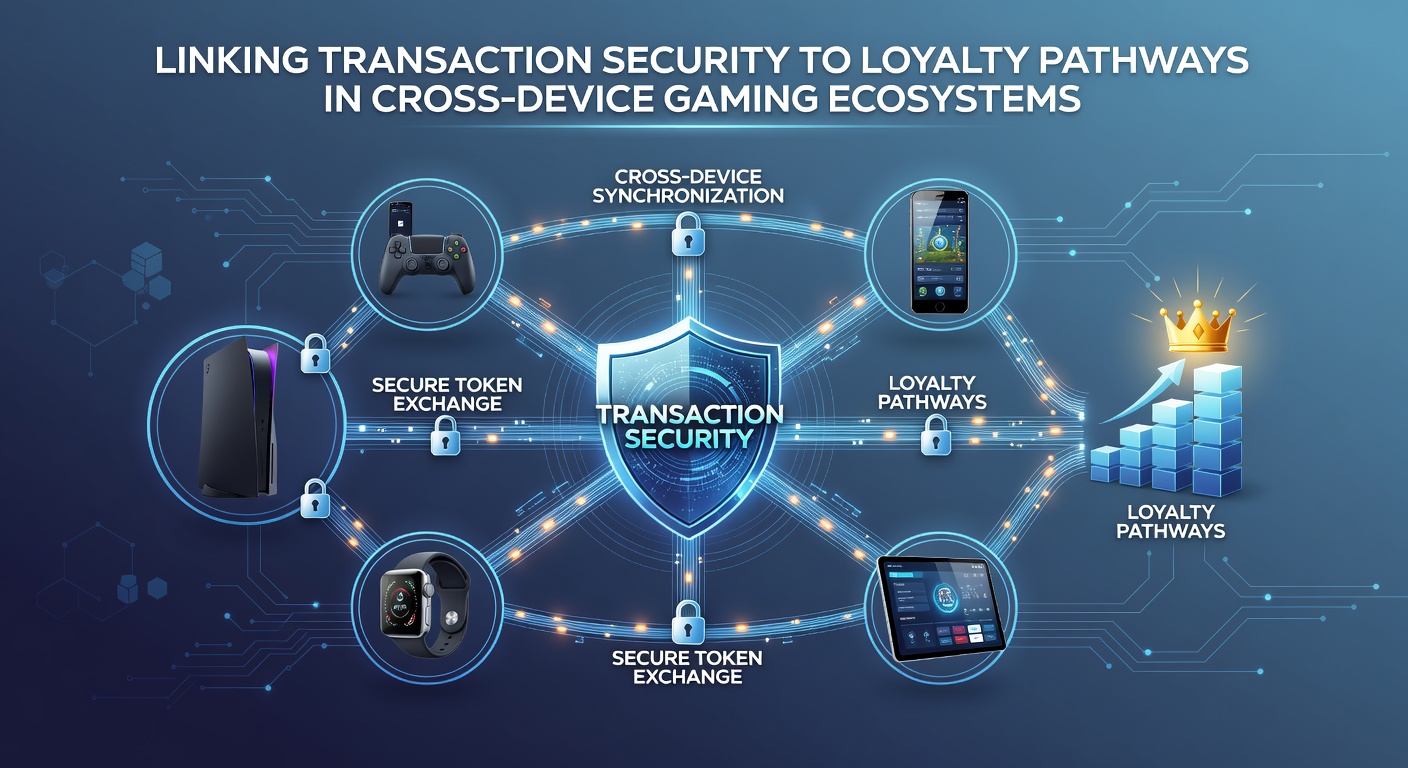
Cross-device gaming ecosystems rely on seamless payment processing that spans mobile phones, tablets, desktops, and consoles while maintaining consistent user profiles and reward tracking across every platform; transaction security forms the foundation that allows loyalty pathways to function without interruption or data loss. Developers integrate encryption protocols, multi-factor authentication, and real-time fraud detection directly into payment systems so that player activity data flows securely from one device to another and feeds into centralized loyalty engines. This integration means rewards accumulate accurately whether a participant starts a session on a smartphone during a commute or continues later on a home console, and operators gain reliable records that support tiered benefits and personalized offers.
Core Components of Transaction Security in Gaming Platforms
Payment gateways in modern gaming environments employ tokenization to replace sensitive card details with unique identifiers that travel across networks without exposing original information, and this approach reduces breach risks while preserving transaction speed. Biometric verification and device fingerprinting add further layers that confirm user identity regardless of hardware changes, so loyalty systems receive verified activity signals rather than anonymous or suspicious inputs. Researchers at academic institutions have documented how these measures cut unauthorized access attempts by significant margins in multi-platform deployments, allowing operators to allocate resources toward reward structures instead of remediation efforts.
Linking Security Measures to Loyalty Accumulation
Loyalty pathways depend on uninterrupted data streams that record every deposit, wager, and withdrawal; when security protocols validate each step in real time, points and status levels update without delays that frustrate participants. Operators map transaction events directly to reward ledgers so that a secure deposit on a mobile device immediately increments a player's progress toward the next tier even if the next login occurs on a different console. This direct linkage prevents the fragmentation that once occurred when separate security checks on each device created gaps in activity logs, and it supports features such as instant bonus unlocks tied to verified spending thresholds.
Device-Agnostic Reward Tracking
Systems that synchronize loyalty accounts through secure APIs enable points earned on one platform to appear instantly on another, while cryptographic signatures ensure that no external party can alter those records mid-transfer. Industry reports indicate that platforms adopting unified security frameworks experience higher retention rates because players trust that their accumulated benefits remain intact across sessions and devices. Observers note that such reliability encourages longer engagement periods since participants no longer need to verify balances manually after switching hardware.
Regulatory and Industry Standards Supporting Integration
Standards bodies across multiple regions have issued guidelines that encourage encryption and audit trails for all financial interactions within gaming services, and these requirements align closely with the technical needs of loyalty systems that must demonstrate accurate tracking. In May 2026 several international gaming associations released updated best-practice documents that emphasize secure payment rails as prerequisites for any reward program operating across borders and device types. Compliance with these frameworks allows operators to expand loyalty offerings confidently because transaction integrity meets external scrutiny and internal data-quality demands simultaneously.
One study from the University of Nevada's International Gaming Institute examined how token-based payment systems correlate with sustained player participation across device ecosystems, revealing measurable increases in repeat engagement when security and rewards operate as a single pipeline. Another report compiled by the Responsible Gambling Council in Canada highlighted that transparent security practices reduce player concerns about account safety and thereby support longer-term loyalty program involvement. These findings illustrate the practical connection between protected transactions and durable reward pathways without relying on any single regional regulator.
Implementation Challenges and Technical Solutions
Cross-device environments introduce variables such as varying network conditions, operating system updates, and hardware differences that can interrupt data flows if security layers are not designed for resilience. Developers address these issues through adaptive authentication that adjusts verification intensity based on risk signals while keeping friction low enough to maintain seamless loyalty updates. When a high-value transaction occurs on a new device, additional checks activate automatically yet still permit reward accrual once validation completes, preserving both safety and continuity. Case examples from large platform operators show that such adaptive systems prevent both fraud losses and player drop-off that previously resulted from overly rigid or inconsistent security prompts.
Conclusion
Transaction security and loyalty pathways function as interdependent elements within cross-device gaming ecosystems because verified payments supply the accurate, continuous data that reward programs require to operate effectively. Platforms that embed robust protections into every financial interaction across devices create conditions where loyalty features deliver consistent value without interruption or compromise. As standards evolve and technical solutions mature, the linkage between these two domains continues to shape how gaming services maintain player engagement across an expanding array of hardware and contexts.